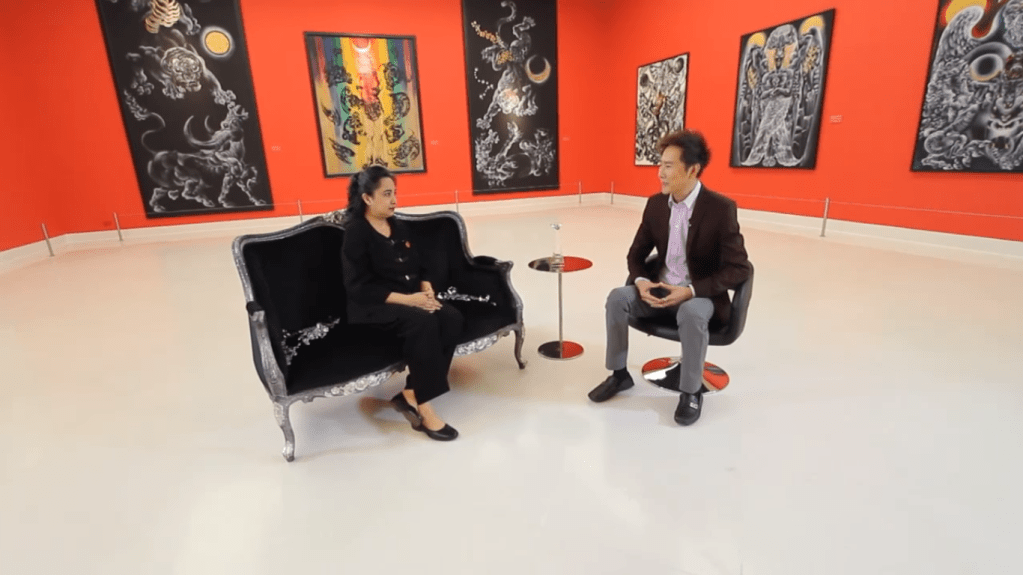
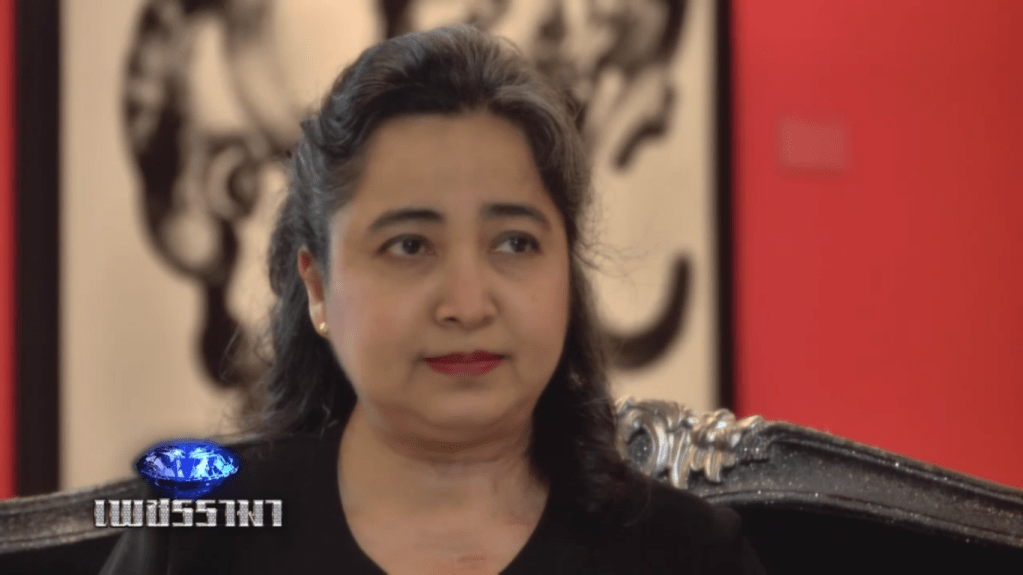
รายการ “เพชรรามา” สัมภาษณ์คุณครูโซไรดา ซาลวาลา ผู้ก่อตั้ง และเลขาธิการ มูลนิธิเพื่อนช้าง ออกอากาศวันศุกร์ที่ 12 เมษายน 2556 เวลาห้าทุ่มเศษ ทางทีวีช่อง 3 โดย คุณณวัฒน์ อิสรไกรศีล เป็นผู้สัมภาษณ์
The television programme “Petch Rama” featured an interview with Soraida Salwala, Founder and Secretary General of Friends of the Asian Elephant Foundation. The programme aired on Friday the 12th of April 2013, around 11pm, on Channel 3 Thailand. The interview was conducted by Nawat Issara-kraiseen.
การรักษาช้าง Elephant Veterinary Treatment
คุณณวัฒน์: การรักษาช้าง ถามจริงๆ มันยากเย็นแสนเข็นขนาดไหนครับ
Nawat: As for the treatment of elephants, truthfully, how difficult is it?
คุณครูโซไรดา: บางตัวเนี่ย ต้องมัด ขึง ยึด ไม่งั้นคุณหมอเข้าไปฉีดยาหรือทำแผลไม่ได้ บางตัวนี่ต้องยิงยาสลบ ถึงจะเข้าไปเพื่อจะมัดโซ่ได้ แล้วหมอก็ปีนขึ้นไปบนคอ ทำแผลที่หลัง ตัวเองก็คอยยืนคอยมองว่า ขยับตาแล้วนะ หมอต้องรีบเติมยา แล้วก็ ไม่ได้การแล้ว พอทำแผลเสร็จ หมอเขาก็กระโดดลง ก็พอดีช้างฟื้น เพราะว่าดุมาก
Soraida: For some elephants, we must tie them up, and restrain them properly. Otherwise, the vet would not be able to approach the elephant to administer injections or treat the elephant’s wounds. For certain other elephants, we have to use a tranquiliser gun, so that the elephant is sedate enough to chain and restrain. The vet then climbs up onto the elephant’s neck to treat the wounds on the elephant’s back. I stand there keeping watch to tell the vet when the elephant’s eyes are beginning to move. The vet rushes to administer more tranquilising drugs. Running out of time now! Once the wounds are dressed, the vet hurries down from the elephant’s back, in time for the elephant to regain consciousness. This is an example of a very aggressive elephant.
ทุกข์ที่สุด The Greatest Sadness
คุณณวัฒน์: สุขคงมีน้อยอ่ะนะ ความสุข คงไม่อยากจะถาม ทุกข์นี่คงจะเยอะมาก ทุกข์มหันต์ครั้งที่อยู่กับช้าง เป็นเหตุการณ์ครั้งไหนครับ
Nawat: When it comes to happiness, perhaps there’s not much happiness to be experienced. So, I may not want to ask about happiness. But there must be so much sadness. What are the instances of the greatest sadness that you’ve experienced?
คุณครูโซไรดา: ทุกข์มหันต์นี่มีเยอะมาก โดยเฉพาะอย่างยิ่งเมื่อต้องตัดสินใจให้หมอ โทษค่ะ ฉีดยาให้ช้างหมดทุกข์
Soraida: There have been many instances of the greatest sadness, especially when the decision must be made for the vet to…sorry…administer injections for the elephant to go to sleep peacefully.
คุณณวัฒน์: คือเขาก็คงอยู่ในสภาพทรมานไปกว่านี้ไม่ไหวแล้ว
Nawat: In other words, the elephant wouldn’t have been able to carry on any further in such a state of pain and suffering.
คุณครูโซไรดา: ค่ะ ที่ไม่ไหวแล้ว อย่างตัวที่ติดยาเนี่ยนะคะ พังคำมีนี่ ดูแลกันมาห้าปีกว่า ก็เหมือนลูก จนวันหนึ่งแก คืออ้วนท้วนสมบูรณ์ขึ้น แต่อวัยวะภายในเริ่มไม่ไหว ตาเริ่มมองไม่เห็น เจ้าหน้าที่เขาใกล้ แกก็เอางวงฟาดนะคะ แล้ววันหนึ่ง แกก็ทรุดลงไป พอทรุดลงไป เอาเครนช่วยยก ก็ยืนไม่อยู่ ก็เรียกให้หมอปรีชามานี่ ก็บอกคุณหมอ ไม่ได้การแล้ว ให้คำมีไปดีๆเถิด คุณหมอก็บอกว่า เห็นด้วย คุณโซตัดสินใจถูกแล้ว แต่ว่าต้องแจ้งให้ผู้สื่อข่าวทราบ เพราะว่าพังคำมีนี่เราช่วยมาจากเงินบริจาคของประชาชน ก็ฉีดยาให้คำมีพ้นทุกข์ ตัวเองนี่ก็กอดวินาทีสุดท้าย ส่วนใหญ่จะอยู่ด้วยเสมอค่ะ
Soraida: Yes, they could no longer carry on. The one that was fed amphetamines is an example. Her name was Kammee. We looked after her for over five years, so she really was like our own child. One day…she was already putting on healthy weight…but her internal organs were beginning to decline. Her sight was beginning to fade. When keepers went near her, she would slap her trunk at them. Then, one day, she fell on her knees. A crane was used to lift her up. But she could no longer stand up. Dr. Preecha was called in. I said this is no longer possible; we must let Kammee go peacefully. Dr. Preecha was in agreement, but said that we had to inform the press, since the amount paid to purchase Kammee from her former owner was money that came from donations collected from members of the public. Injections were administered to put Kammee to sleep eternally and in peace. I hugged her to the very last second. For most of the patients we had to put to sleep, I would always be with them during their last moments.
ทุนทรัพของมูลนิธิฯ The Foundation’s Funding
คุณครูโซไรดา: ค่าใช้จ่ายมันสูงมาก เดือนหนึ่งประมาณหนึ่งล้านบาท ก็พยายามที่จะต่อสู้อยู่เสมอ แต่ว่าไม่รู้จะประหยัดยังไงในเรื่องของค่ายาช้าง หรือว่าบุคลากร
Soraida: The expenses are very high, around one million baht per month. It is a constant fight to obtain funding. But we just don’t see any way of saving on the expenses of medications for elephants, or in the area of human resources.
คุณณวัฒน์: สรุปค่าใช้จ่ายต่อเดือนเนี่ย อย่างไรก็แล้วแต่ ต้องมีหนึ่งล้านบาทเป็นอย่างต่ำ ในการดูแล ในโครงการทั้งหมดทุกอย่าง แต่รายได้มันก็คงจะลำบาก
Nawat: To summarise, the expenses amount to one million baht per month at the very least, regardless. This goes into the care and operation of every aspect of the Foundation. But acquiring funds must be the hard part.
คุณครูโซไรดา: เงินของมูลนิธิฯซึ่งเก็บไว้ที่ฝากประจำ ก็เพื่อว่า อะไรที่ยังไม่ใช้ ก็ฝากประจำไปก่อน ถ้าเมื่อต้องใช้ ก็ต้องไปเอาเงินต้นออกมา แต่เงินทุนจดทะเบียนนั่น เอาออกมากไม่ได้อยู่แล้วค่ะ ห้าแสนบาทค่ะ
Soraida: Part of the Foundation’s funds are kept in a savings account. These funds don’t need to be used immediately, so they are kept in savings. When we do need to use those funds, then we make a withdrawal. But for the amount used to register the Foundation, that amount of five hundred thousand baht cannot be withdrawn.
คุณครูโซไรดา: ก็เคยรักษาช้างเมื่อปี 38 เงินมูลนิธิฯเหลือค่ายาช้างอยู่สามพันกว่าบาท คุณหมอปรีชาบอกว่า ช้างน่าจะเป็นบาดทะยัก ก็บอกคุณหมอว่า มีตังมั้ย ตอนนั้นเราก็ไม่มีรถนะคะ ไปเช่ารถ เอาช้างมาให้ได้ คุณหมอก็ถามว่า จะเอาตังที่ไหนคุณโซ ถ้าดิฉันต้องตัดแขนตัวเองออกข้างหนึ่ง เพื่อจะรักษา ก็จะทำ
Soraida: There was a case of an elephant patient back in 1995. At the time, the Foundation had only three thousand baht in the account for medications. Dr. Preecha said that the elephant must be suffering from tetanus. So, I asked Dr. Preecha if there are any funds available. At the time, we didn’t have a vehicle. I said that we must rent a vehicle, and bring the elephant here. Dr. Preecha asked how we are going to acquire the funds. I said that even if I have to cut off one of my arms to treat this elephant, I will do it.
คุณณวัฒน์: เรามัวแต่บอกว่าเราสงสารช้าง เราเห็นใจ แค่เห็นใจไม่พอ ต้องเห็นทุนทรัพย์ในการช่วยด้วย นี่พูดกันตรงๆนะครับ
Nawat: We say that we have compassion for the elephants. We say that we sympathise. But sympathy isn’t enough. We must understand that all these efforts require funding, to put it directly.
ลุงช้าง Uncle Chang
คุณณวัฒน์: พูดถึงเด็กๆดีกว่านะครับ เผื่อว่าท่านผู้ชมทางบ้านอาจจะเข้าใจพี่โซมากขึ้น เด็กๆเกิดมาท่ามกลางครอบครัวและการดูแลแบบใดครับ
Nawat: Let’s talk about your childhood, so that our audience may come to a better understanding of you. What was it like growing up in your family environment? And how were you raised?
คุณครูโซไรดา: ครอบครัวทำการค้าค่ะ การค้าก็อัญมณี แล้วก็คุณแม่เองก็เปิดร้านจิวเวิลรี่ แล้วก็มีผ้าไหม อะไรแบบเนี้ยค่ะ ส่งออกบ้างบางส่วน ตอนนี้คุณแม่ท่านเสียแล้วนะคะ กิจการก็ไม่ได้ใหญ่ค่ะ ทำงานการค้า ก็มีกำไร มีขาดทุน เรื่องธรรมดาค่ะ
Soraida: My family were business owners, and we traded gems. My mother opened a jewellery shop, also trading in silks and such things. We exported some of our products. My mother has passed away. The business wasn’t so big. Trading meant that we made profits and losses, as would be expected.
คุณครูโซไรดา: ประสบเหตุ เห็นช้างนอนอยู่ข้างถนน ตอนนั้นปี 08 หรือ 09 นะคะ จำไม่ได้ถนัด ก็ประมาณเก้าขวบ จะเก้าขวบแล้วค่ะ บนถนนมิตรภาพ ช้างงาค่ะ นอนอยู่ข้างถนน พุงยังกระเพื่อมอยู่ คุณพ่อขับรถ ก็จะพาลูกไปเที่ยวค่ะ พิมาย ไปอะไรอย่างเงี้ยค่ะ ไล่ไปเรื่อยๆ เพื่อจะไปจังหวัดอุดรฯ เพราะคุณพ่อเปิดร้านจิวเวิลรี่ที่นั่น ก็ประสบเหตุตรงนั้นพอดี บอกคุณพ่อว่า งั้นเรารีบพาลุงช้างไปหาหมอ คุณพ่อบอก จะพาลุงช้างไปได้ยังไงลูก ลุงช้างตัวใหญ่ ไม่มีที่ไหนรักษาได้ แล้วช้างก็เสียชีวิตค่ะ และคำถามที่ถามคุณพ่อไป แล้วทำไมลุงช้างต้องมาเดินบนถนนด้วย ไม่มีคำตอบ
Soraida: There was an incident in which I saw an elephant lying on the side of the street. It would have been around 1965 or 1966, I don’t remember exactly. I was around nine years old, or turning nine. It was on Mitraparb Road. The elephant was a tusker, and was lying on the street. His abdominal area was still moving. My father was driving, and he would take us children travelling, to Pimai and other places on the way to Udon Thani Province. That was where my father ran a jewellery shop. So, that was where it happened. I told my father that we must quickly get Uncle Elephant to the doctor. My father said, how can we get Uncle Elephant to the doctor? He’s so big. There is no place that can take him. Then, the elephant died. My question to my father was, why was Uncle Elephant walking on the street? There was no answer.
 มูลนิธิเพื่อนช้าง